
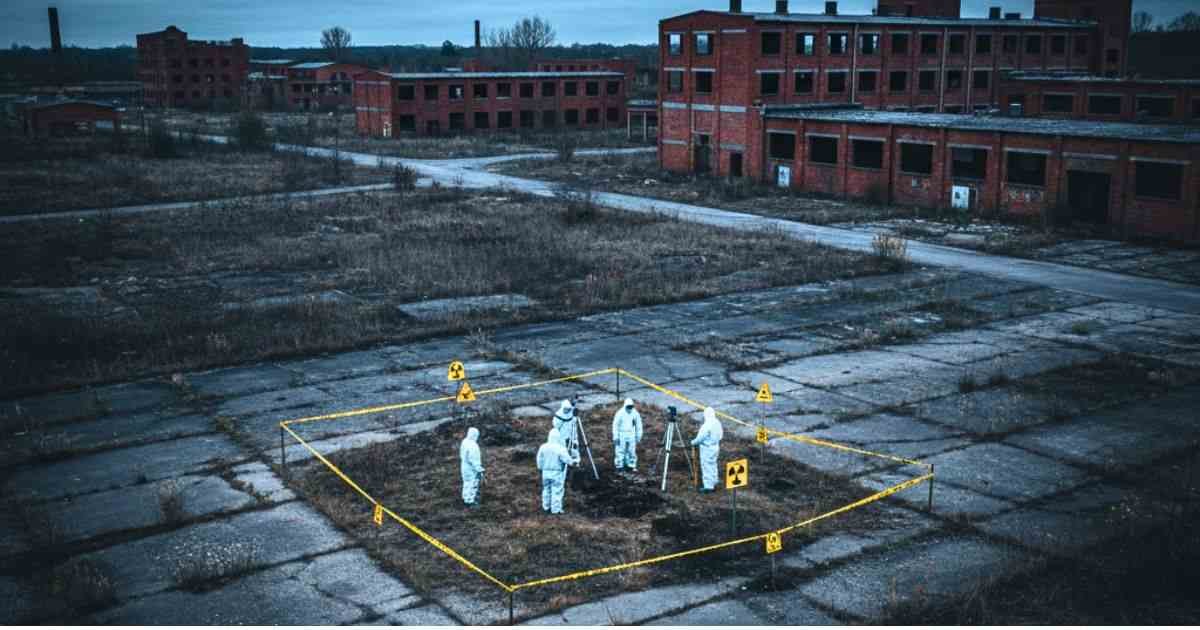
Many people talk about the cost of a Phase 1 Environmental Site Assessment. But one big question is how much does an environmental site assessment cost. The truth is, the average cost of environmental site assessment can change a lot. Some people pay around two thousand dollars. Others pay more if the land is big or has more problems. The price also changes if the report is needed fast.
Some people get confused or tricked by fake offers. A few fake helpers make cheap reports that look real but are not accepted by banks or city offices. These bad reports can cause big trouble later. That is why it is very important to know the real cost and how the process works. This guide will help you understand the truth, save money, and pick the right people for your property check.
What Is a Phase 1 Environmental Site Assessment
Many people ask, what is a Phase 1 environmental site assessment. It means checking land or a building to see if there is any pollution or past harm. A Phase 1 Environmental Site Assessment example is when a team studies an old gas station before turning it into a store. They look for oil leaks, waste, or anything bad left behind.
People who follow ASTM Phase 1 ESA standards do this work. ASTM means American Society for Testing and Materials. It makes the rules that tell how to do this study the right way. These rules help banks and buyers trust the report.
The experts go to the site, talk to people who know its history, and look at old maps or city papers. Then they write a report about what they found and what steps come next. This report helps owners, buyers, and banks feel safe about their choice.
What’s Included vs. What’s Not Included
| What’s Included | What’s Not Included |
|---|---|
| Checking property history | Digging or soil testing |
| Visiting the site and taking photos | Removing pollution |
| Talking with past and present owners | Long-term monitoring |
| Reviewing city and state records | Cleanup or repair work |
A good report gives clear facts. It does not fix problems, but it helps you see them before buying the property.
Why Phase 1 ESA Matters Before Buying Property
When people buy land or a building, they want to be sure it is clean and safe. The environmental report for property purchase helps with that. A Phase 1 ESA shows if the land was ever used by gas stations, dry cleaners, or factories that might have left bad chemicals. Doing a property contamination check before buying can save a lot of money later.
If someone skips this test, they might buy land with pollution and have to pay for cleanup. Banks and lenders also need this report before giving money for a loan. It helps them see the real estate environmental risk assessment before they agree.
Pros and Cons of Phase 1 ESA
| Pros | Cons |
|---|---|
| Protects buyers from money loss | Costs a few thousand dollars |
| Builds trust with banks | Can take a few weeks |
| Finds problems early | Might not catch deep problems |
| Helps property value if clean | Some reports can be poor if rushed |
Even if it takes time or money, this test is very helpful. It gives peace of mind that the land is safe and ready to use.
Real Cost of Phase 1 Environmental Site Assessment
Now let’s see the real average cost of environmental site assessment. In most places, checking a small property costs around two thousand to four thousand dollars. Big or old sites cost more. The total cost depends on how big the land is, how deep the study goes, and who does the work.
The site assessment process and pricing also change from one place to another. In cities, it often costs more because of rules and older buildings. In small towns, it may cost less, but travel time can add extra fees. Some experts charge by project, while others use hourly environmental consultant fees per project.
If someone needs the report very fast, they might pay more for quick service. Very cheap helpers can be risky because some skip steps to finish early.
Type of Property vs. Estimated Cost Range
| Type of Property | Estimated Cost Range |
|---|---|
| Small commercial lot | $1,800 – $2,500 |
| Medium retail or office site | $2,500 – $3,500 |
| Industrial or warehouse site | $3,500 – $5,000 |
| Large land or many buildings | $5,000 – $8,000 or more |
Different experts offer different prices. The best way is to ask two or three trusted companies for quotes. Always check their license and past work before paying. A good company gives a fair price and a full report that follows the law.
What Happens During a Phase 1 Environmental Site Assessment
A Phase 1 Environmental Site Assessment has a few easy steps. The goal is to find any signs of dirt, leaks, or harm before buying land or a building. Trained people do this job to keep everyone safe.
First, experts do a site history review environmental assessment. They look at old maps, papers, and reports to learn what the land was used for before.
Next, they do a Phase 1 ESA environmental records search. They check city, state, and federal files to see if there were oil leaks, spills, or other problems.
Then, the experts go visit the land. They walk around, take photos, and look for signs of danger like stains, fuel tanks, or strange smells. They also talk to people nearby to learn what happened in the past.
At the end, they write a full report. They use the Phase 1 Environmental Site Assessment checklist to make sure nothing is missed.
Checklist for Phase 1 ESA
- Look at old land and building records
- Search for any past pollution or spills
- Visit the land and take pictures
- Talk to owners, workers, or neighbors
- Write all findings in a report
This report helps buyers know what is safe and what may be risky. It helps them make good choices before they buy the land.
Understanding Phase 2 Environmental Site Assessment Cost
Sometimes, a Phase 1 study shows that something might be wrong. When that happens, the owner may need a Phase 2 Environmental Site Assessment. This study goes deeper and costs more. The Phase 2 Environmental Site Assessment cost depends on how many tests are done.
In Phase 2, experts take soil, water, and air samples. These samples go to a lab to check for bad chemicals. This takes more time and tools, which is why it costs more.
Many people ask about Environmental Phase 1 vs Phase 2 to see the difference. Phase 1 only looks for signs of danger. Phase 2 proves if danger is really there.
Phase 1 vs Phase 2
| Feature | Phase 1 | Phase 2 |
|---|---|---|
| Type of Study | Looks at records and the site | Takes samples and tests them |
| Purpose | Find signs of risk | Check if pollution is real |
| Cost | $2,000 – $4,000 | $5,000 – $15,000 or more |
| Time | 2–3 weeks | 3–6 weeks |
Hidden pollution can make costs go up fast. If oil, gas, or waste is found, cleanup may be needed later. That is why Phase 2 is very important. It helps people know the truth before spending big money on land.
Exploring Phase 3 Environmental Site Assessment Cost
If Phase 2 tests show real pollution, the next step is Phase 3. The Phase 3 environmental site assessment cost is very high because it includes cleanup and fixing the land. This part is about making the land safe again.
In Phase 3, experts start environmental remediation. This means removing dirty soil, cleaning water, and checking the air. Many environmental remediation cost factors can change the price, like how big the dirty area is or what kind of waste is found.
Sometimes, costs rise because the land needs more tests or safety systems. The government also checks this stage to make sure cleanup meets all rules.
This step costs the most but it is the most important. Cleaning the land makes it safe for people, animals, and new buildings. It also helps avoid legal problems in the future.
Combined Studies: Phase 1 and 2 Environmental Site Assessment Cost
Some buyers ask for both tests at the same time. This is called a Phase 1 and 2 environmental site assessment. It can save time because experts move to testing right after finding signs of trouble. The Phase 1 and 2 environmental site assessment cost is usually less when done together.
A full commercial property environmental inspection cost can be between $6,000 and $12,000 when both are done together. The total price depends on the land’s size, type, and place.
Doing both together helps finish faster, but can be risky if any step is missed. Always make sure the company follows the right rules and keeps good records.
Combining both phases is smart for big or complex lands. It saves time, keeps costs fair, and makes results trusted by banks and buyers.
Common Hidden Fees and Scams to Watch Out For
Buying land or a building sounds easy, but some fake helpers make it risky. Many people pay too much because they do not see the hidden costs in their reports. Knowing the truth can save your money and peace of mind.
Some fake consultants promise a very cheap price. They say they will finish the job fast. These fake “quick reports” are often not real. Banks and city offices do not accept them. Later, buyers find out they must pay again for a correct report. This mistake doubles the environmental due diligence cost.
Real companies always give full papers that explain what they will do. Before you pay, check who pays for the environmental site assessment and what is included. A clear contract should show every step and total environmental site investigation report cost. Never sign a paper that looks unclear or too short.
Tips to Stay Safe
- Ask for the company’s license and past client reviews
- Check if they follow ASTM rules and use trained experts
- Read the contract line by line before signing
- Avoid deals that sound too cheap or too fast
Good consultants explain every fee and step. Honest work may cost a bit more, but it protects you from fake reports, hidden costs, and big problems later.
Is a Phase 1 ESA Safe and Reliable (Truth You Must Know)
A Phase 1 ESA is safe when done by real experts. These reports help show if land is clean or risky. Still, some reports can miss small problems if data is old or wrong. That is why it is important to know how the process works.
Sometimes a report looks fine but misses hidden pollution underground. Later, the owner may face big bills for cleanup. That is why an environmental liability evaluation is done. It helps people know who is responsible if something bad is found later.
Banks and buyers use the real estate environmental risk assessment to see if the land is safe to buy. If someone finds a mistake or missing data, environmental agencies can check the case again. They look at past records and can order a new test if needed.
A Phase 1 ESA is a trusted tool when done right. It gives clear facts, builds trust, and helps protect both money and the environment.
Factors That Change the Cost of a Phase 1 ESA
The price of a Phase 1 ESA is not always the same. It changes based on the land, size, and type of work. Some sites are simple, but others need more time and tools.
A clean small lot is cheaper than a large industrial land. Old lands with a long history need extra checks. This raises the site contamination assessment fees. If experts test soil or water, that adds more soil contamination testing cost. The total bill also depends on how far the land is and how fast the report is needed.
Main Things That Change the Cost
- Size of the land or building
- History of the property
- Type of business used before
- Number of tests and visits
- Location and travel time
- Extra reports or fast service
Experts sometimes charge per acre, so a big space raises the environmental survey cost per acre. Asking two or three companies for quotes helps find a fair price. Always choose the one that explains every cost clearly.
How Long Does a Phase 1 ESA Take
Many buyers ask, how long does a Phase 1 ESA take. The answer depends on how big the property is and how many records must be checked. Most reports take around two to three weeks to finish.
Some take longer if city papers are slow or if weather causes delays. When files are missing, experts may need extra days to collect them. This changes the environmental assessment report turnaround time.
If you need the report fast, tell the company early. But remember, rushing the job can lead to errors. It is better to wait a few days and get a report that banks and cities accept.
A good report is worth the time. It helps you make a safe choice before buying or using the land.
Understanding the Paperwork: Phase 1 Environmental Site Assessment Checklist PDF
When someone gets a Phase 1 report, it often comes with a long checklist. The Phase 1 Environmental Site Assessment checklist pdf helps you see if all parts of the study were done the right way. This paper shows what experts looked at and what they found.
The checklist makes sure nothing is missed. It follows the due diligence environmental checklist so banks and buyers can trust the report. Inside, you will see many small but important items. These help prove that the land was checked fully.
Examples of items inside the checklist:
- Name and address of the property
- Site visit date and who inspected it
- Old land records and map results
- Notes from people who know the land
- Photos of buildings, tanks, and soil
- List of any signs of leaks or stains
- Copies of city and state file searches
A good checklist is like a story of the land. It tells what the property was used for and if there are any risks. When you get the pdf, read it slowly. Check that each part is marked complete. If something is blank or missing, ask the company to fix it.
This small step keeps you safe and saves money later.
Choosing the Right Environmental Assessment Company
Finding the right experts is very important. Many people look online for environmental assessment companies near me to get help. But not every company is honest or skilled. Picking the wrong one can waste time and money.
Good experts know how to test safely. They use tools for industrial property environmental testing cost planning and explain every fee before starting work. Some even show their reports from old jobs so you can see the quality.
If the land is big, they may also do commercial land environmental testing to check more areas.
Good signs of a trusted company:
- They are licensed and have trained staff
- They follow ASTM and EPA rules
- They share clear contracts and timelines
- They explain all steps before taking payment
Red flags to avoid:
- Prices that sound too low or too fast
- No office address or company website
- Refusal to show past client reviews
- Promises of “instant approval” reports
Take time to compare at least two or three companies. Ask what is included in the cost and how long it will take. The right company will give full answers and never rush you. This protects your money and makes sure your report is trusted by banks and city offices.
Environmental Risk Assessment in Property Deals
Every land deal carries some level of risk. A proper environmental risk assessment in property deals helps find those risks early. It tells buyers and banks if the land is safe or if more checks are needed.
Lenders, insurers, and city offices all read the report before giving approval. They look at the environmental compliance inspection cost and other details to see if the property meets safety laws. If they find any gaps, they may stop the loan until the problem is fixed.
Experts also do an environmental impact screening for property to see if nearby areas could be affected. This includes soil, air, and water.
Skipping this step can bring big trouble later. If hidden pollution is found after buying, the new owner might have to pay for cleanup alone.
That is why a full environmental review is not just a rule — it is a smart move. It protects your money, your plan, and your peace of mind.
You May Also Like: Charalabush Price Guide: Trends, Value & Safe Investing
Final Thoughts: Is a Phase 1 ESA Worth the Cost?
Many people wonder if this study is really needed. The truth is yes — most of the time it is. The environmental audit cost for real estate may seem high at first, but it protects you from much bigger problems. A few thousand dollars now can save you from spending tens of thousands later on cleanup.
For lands with old buildings or past use by gas stations, doing a check is even more important. These places can be risky. The test can also show if a brownfield assessment cost is needed for deeper cleanup plans.
A Phase 1 ESA gives you more than a report. It gives peace of mind. It shows you are buying smart, following the law, and keeping people safe.
In the end, the small cost is worth it for the trust, safety, and value it brings to your property deal.
FAQ Section
Who pays for a Phase 1 ESA?
Usually, the buyer pays for the report as part of due diligence. In some deals, both buyer and seller agree to share the cost.
What happens if contamination is found?
If experts find pollution, they suggest more tests or cleanup. The owner decides whether to fix it or move to another site.
Can a Phase 1 ESA expire?
Yes. Most reports are valid for about one year. After that, experts may need to review or update it before a sale or loan.
How long does a Phase 1 ESA take?
Most reports take about two to three weeks, depending on how big the property is and how fast city records are available.
Is a Phase 1 ESA always required?
Not always, but banks, lenders, and smart buyers always request it. It keeps everyone safe from hidden risks and legal problems.
Disclaimer
This article is for informational purposes only and does not provide legal or professional environmental advice. Always consult certified environmental consultants for official Phase 1 Environmental Site Assessments and reports before any property transaction.