
Cooking can feel scary when you hear long names. One name that makes many new cooks stop is fojatosgarto. The letters look strange and make the dish feel harder than it is. Some think it needs rare items or special tools. But the truth is very different. The dish is warm, slow, and gentle. It grows soft over time and tastes rich when done right. This guide will explain each part in simple words so even a young reader can follow along. It will also answer a key question many ask, which is is fojatosgarto hard to cook. You will learn what makes this dish look tricky and what makes it simple when broken into small steps.
To make this clearer, we can look at fojatosgarto cooking guide ideas that show how slow heat helps the flavors mix. We can also look at fojatosgarto recipe steps that help cooks avoid small mistakes. When you follow a calm plan, the dish does most of the work on its own. This guide is here to assist you so you do not feel lost or rushed. By the end, you will see that the name may be big, but the dish itself is gentle and friendly for new cooks. Let us start with what the dish really is and why so many search for it.
What Is Fojatosgarto And Why People Search About It
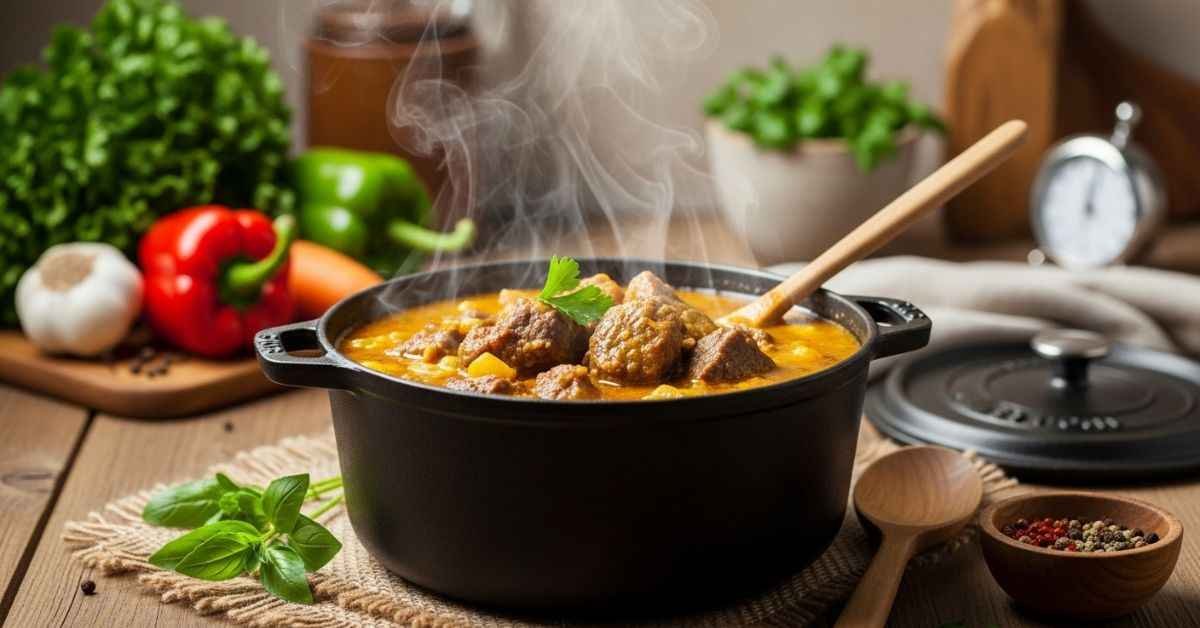
Fojatosgarto is a slow and warm stew made with soft items like broth, chopped vegetables, and mild spices. The dish cooks in a pot for a long time so every part becomes tender. The name looks odd because it does not sound like a common food found in most homes. This name is the first reason new cooks worry. They think a long name must mean a hard recipe. But the dish itself is simple once explained in small steps.
The name also makes some think the dish needs rare herbs or expert skills. This is not true. The items are easy to find, and the steps are gentle. Many cooks look for fojatosgarto preparation tips because they want to get a clear start without stress. Most tips show how slow heat helps the dish become smooth. It is the long time, not the hard work, that makes the stew rich.
Some stories say the dish came from a small place where families made large pots of stew during cold days. Others say it came from older cooks who used slow fire to keep food tender. No matter the origin, the dish grew into a comfort meal. This is why many ask for a fojatosgarto dish explanation when they see the name online. It looks strange, so it brings questions.
People also search how to make fojatosgarto because the internet can make simple dishes look complex. Writers sometimes add too many steps or big cooking words. This can confuse new cooks who only need clear and short directions. That is why this guide gives plain answers that match how the dish truly works.
Is Fojatosgarto Hard To Cook Or Is It Just Misunderstood
Many cooks think this dish is hard because they see long lists or slow cook times. But long time does not always mean tough work. The real level of difficulty comes from how you handle each small part. The fojatosgarto cooking process is easy when you break it down. You place chopped items in a pot, add broth, set low heat, and let the mixture soften. Most of the cooking happens on its own.
Some think the dish is risky because they fear the pot may burn. Others think the stew may thicken too fast. These things happen only when the heat is too strong. A simple plan and a calm mind fix this. A fojatosgarto step by step guide makes it even easier. It shows how to stir, when to check the pot, and how much broth to add. These small checks keep the stew safe.
You do not need advanced skills. You only need basic chopping, gentle stirring, and steady heat control. When a cook rushes or turns the flame too high, the dish can go wrong. That is the main issue. It is not the dish itself but the speed or heat that causes trouble. With fojatosgarto timing and heat managed well, the stew stays smooth and rich.
Many stories online make the dish sound tough, but they often leave out simple tips. This makes new cooks fear small steps that are easy to handle. When we look at all facts, the dish is more misunderstood than hard. It is calm, slow, and friendly. It rewards patience, not skill. The clear answer is that the dish is simple when you cook it with care.
Key Ingredients That Make Fojatosgarto Work
Fojatosgarto tastes warm and smooth because it uses a few simple items that work well together. The dish does not need fancy tools. It only needs the right mix of soft vegetables, mild spices, and a gentle base. When these pieces blend, the stew becomes thick and full of flavor. Each part plays a clear job, and that job helps the dish stay steady during slow cooking. These fojatosgarto ingredients also let the stew grow rich without extra effort from the cook.
Some cooks like to change items when they do not have something at home. This is where fojatosgarto ingredient substitutes help. You can swap one soft item for another as long as it fits the same role. A tender root can replace another root. A mild herb can replace another mild herb. These small swaps keep the dish easy for new cooks.
Protein choices also change how the stew feels. Some people enjoy light meat. Others like beans. These fojatosgarto protein options let cooks pick what they enjoy without changing the heart of the dish. No matter the pick, the stew stays soft and warm.

Below is a simple table to assist you in understanding each part.
| Ingredient Name | Why It Matters | Possible Substitutes | Problems If Used Wrong |
|---|---|---|---|
| Soft root veggie | Adds body and gentle sweetness | Carrot, turnip | Gets mushy if cut too thin |
| Mild spice mix | Gives warm taste | Soft herb blend | Overpowers stew if too strong |
| Broth base | Helps flavors blend | Light stock, veggie broth | Turns salty if reduced too fast |
| Protein choice | Adds strength to stew | Beans, light meat | Gets dry if cooked on high heat |
How To Make Fojatosgarto The Simple Step By Step Guide For Beginners
Making this dish is easier when you break it into tiny actions. Each action helps keep the stew safe and smooth. This fojatosgarto preparation guide will assist you in moving slowly so the pot never feels scary or busy. Small moves lead to big flavor.
Step 1: Prepare the Base
Start by washing and cutting your vegetables into small blocks. This helps them cook at the same speed. When the pieces match in size, the stew does not get lumps. These early cuts are the first part of your fojatosgarto cooking steps.
Step 2: Warm the Pot
Place the pot on low heat. Add a small splash of oil. Let it warm for a short moment. This soft heat keeps the dish from burning later. Low heat is the heart of the fojatosgarto slow cooking method.
Step 3: Add Vegetables
Place your chopped items inside the warm pot. Stir lightly. This starts the softening process. Slow movement keeps the pot calm and prevents early sticking.
Step 4: Pour in the Broth
Add your broth base and stir again. The liquid helps carry flavor through the whole stew. Make sure the broth covers all pieces so nothing dries out.
Step 5: Add Protein
Put in your chosen protein. Make sure it sits under the broth. This protects it from drying as it cooks. This is a key part of any fojatosgarto recipe for beginners.
Step 6: Let It Cook Slowly
Cover the pot and keep the heat low. The stew will bubble lightly. Check it once in a while, but do not rush. Slow heat is what makes the dish smooth.
Step 7: Final Taste Check
Before serving, taste the stew. Add a small pinch of spice if needed. Keep the flavor gentle.
Fojatosgarto Cooking Guide For Total Beginners
This dish can feel big to a new cook, but it is not scary when we explain it in kid-friendly words. Think of it like a warm pot that gets soft little by little. The heat does most of the work for you. These simple fojatosgarto beginner tips will assist you in staying calm and steady while the stew cooks.
Slow cooking helps the dish stay smooth. When the pot stays on low heat, the pieces inside have time to soften without rushing. This is the heart of the fojatosgarto slow cook style. Fast heat can make things jump or burn, but slow heat keeps everything gentle.
Beginners also need clear safety steps. Always keep the pot handles turned inward so nothing spills. Use a spoon with a long handle so your hand stays away from the steam. Lift the pot lid slowly so the steam can move out safely. These little moves keep you protected.
A starter friendly version of the dish begins with only basic vegetables, mild spices, and a light protein. This fojatosgarto easy version helps new cooks learn the flow of cooking. When you start simple, you understand each action clearly. You can always add more items later when you feel ready.
With slow heat, safe hands, and tiny steps, any beginner can make a warm pot of fojatosgarto without fear.
The Hidden Problems You Might Face While Cooking Fojatosgarto
Some cooks face trouble when making this dish, but most issues are easy to fix once you understand them. These fojatosgarto common mistakes often come from heat, timing, or spice choices.
One problem is dry meat. This happens when the pot gets too hot. When the heat stays high, the protein loses moisture fast. Keep the flame low so it stays soft. If your stew uses beans instead of meat, they need enough broth to stay smooth.
Another issue is watery sauce. This happens when the broth does not have time to thicken. Slow cooking helps the liquid reduce at a steady speed. If you rush the heat, the water may not blend well with the soft vegetables.
Vegetables turning mushy is another thing to watch. This can happen when they are chopped too small or cooked too long. Cut them in medium pieces so they hold shape. These fojatosgarto texture issues are simple to fix once you pay attention.
Heat problems also cause trouble. If the flame jumps too high, the pot may burn at the bottom. If the flame is too low, the stew may stay thin. Keep the heat steady so the dish grows smooth over time.
Spices can also overpower the pot. Strong spices can cover the gentle flavor of the stew. A small pinch goes a long way. This is part of keeping good fojatosgarto spice balance.
Some cooks struggle because they follow fake recipes online. Those guides add odd steps or heavy spices that do not match how the dish truly works. Always rely on clear, simple directions that match how slow cooking is meant to feel.
With careful heat, steady cuts, and light spices, you can avoid every hidden problem with ease.
Fojatosgarto Cooking Mistakes People Make Without Knowing
Many cooks make small errors with this stew without seeing them happen. These mistakes look harmless at first, but they can change the taste or the texture. The good thing is that each problem has a fast and simple fix. With these fojatosgarto cooking tips, even a new cook can keep the pot safe and steady.
One mistake is chopping vegetables too thin. When pieces are tiny, they soften too fast and lose shape. Cut them in medium blocks so they stay firm. Another issue is adding too much spice at the start. Strong spice makes the warm stew taste sharp. Add a small amount first, then adjust near the end.
Some cooks turn the heat high to speed things up. This makes the bottom burn and stops the gentle fojatosgarto flavor from growing. Keep the flame low so the pot stays calm. Meat safety is also important. If you add meat that is frozen in the middle, the inside may not cook well. Always make sure the meat is fully soft before placing it in the pot.
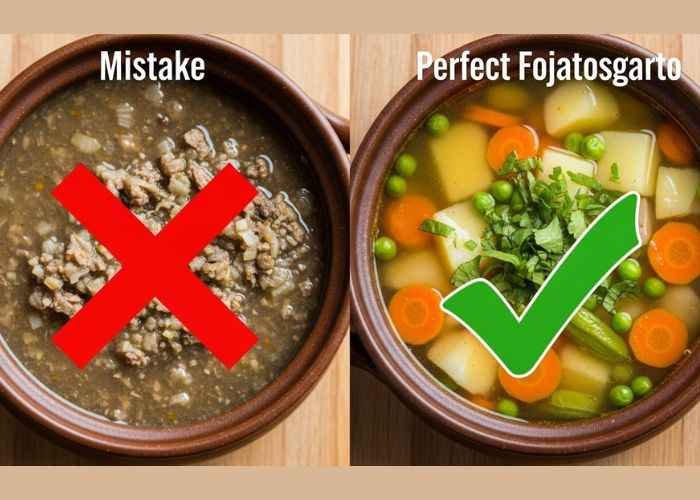
Here are common mistakes and quick fixes:
• Cutting pieces too small
Quick fix: Make medium blocks so they hold shape.
• Adding too much spice
Quick fix: Start small and add more only after tasting.
• Turning heat too high
Quick fix: Keep the flame low from start to finish.
• Using meat that is still cold
Quick fix: Let meat rest at room temperature for a few minutes before cooking.
• Stirring too hard
Quick fix: Move the spoon slowly to keep the stew smooth.
Some cooks also forget to check the broth level. If the liquid gets too low, the stew may dry out. Add a small splash of broth during cooking whenever the pot looks too thick. These simple fojatosgarto fixes stop problems before they grow.
Fojatosgarto Slow Cooking Method And Why Timing Matters
This stew stays soft and warm because of slow heat. The gentle flame helps flavors mix in a calm way. When the pot cooks slowly, each piece inside gets time to soften. This is why many fojatosgarto slow cook guides suggest keeping the heat steady from start to end.
Timing plays a key role. If the stew cooks too fast, the vegetables may stay hard while the broth boils away. If it cooks too long, the stew may turn too thick. A balanced time keeps everything smooth. New cooks sometimes rush the pot, but slow cooking needs patience.
Here is an easy timing chart to guide you:
• First 10 minutes: Warm the pot and soften vegetables.
• 20 to 30 minutes: Let flavors mix with broth.
• 40 to 60 minutes: Protein fully softens and blends in.
• Last 10 minutes: Taste and adjust spices.
This simple chart helps you know what happens inside the pot at each stage. When you follow it, the stew stays steady and rich.
The fojatosgarto simmer method also helps with thickening. The liquid slowly reduces as the pot stays warm. This makes the stew creamy without adding heavy items. If your pot gets too thick, add a little broth. If it stays too thin, cook for a few more minutes with the lid slightly open.
Flavor building also needs time. Mild spices grow stronger as they warm. Soft vegetables share their sweetness as they break down. Each part needs a few minutes to blend. This slow pace makes the stew taste full and deep.
With calm heat, steady timing, and small checks, the dish stays friendly for cooks of all levels.
How Scams Or Fake Recipes Online Can Mislead People About Fojatosgarto
Not every guide on the internet is safe. Some fake pages try to grab clicks by using edited images or wrong steps. These tricks can confuse new cooks who only want a clear fojatosgarto cooking lesson. When a recipe is changed too much, the dish does not turn out right, and the cook feels lost.
One problem is fake pictures. Some sites show bright bowls that do not match how the real stew looks. They use filters to make the food shine. When a new cook tries to copy the picture, the result feels wrong. Real fojatosgarto stew looks simple and soft, not perfect like a toy.
Another issue is wrong cooking times. Some fake guides tell cooks to use high heat for speed. This can make the stew burn or stay raw in the center. True fojatosgarto timing needs slow heat so the pot grows warm in a calm way. Fake guides cut time to look easy, but this hurts the dish.
Some pages even give unsafe meat ideas. They tell people to place frozen protein straight into a hot pot. This can lead to uneven cooking, which is risky. A safe fojatosgarto recipe always uses meat that is soft and ready before it enters the pot.
Here are simple signs that help you spot real vs fake guides:
• Real guides use plain pictures that look natural.
• Real guides explain slow heat and give steady steps.
• Real guides show safe meat steps and clear broth levels.
Fake guides twist steps because they want views. They add strange tricks to stand out. They cut time or add heavy spices to look exciting. This hurts the real heart of the dish. When you follow honest guides with gentle steps, the stew stays soft and safe.
Pros And Cons Of Cooking Fojatosgarto At Home
Making this stew at home has many bright sides, but it also has a few small challenges. Knowing both helps you cook with confidence. This fojatosgarto home cooking overview explains each part in simple words so you can decide if the dish fits your kitchen.
One big benefit is control. You choose the items, the heat, and the time. This helps you make a warm pot that matches your taste. Slow cooking also fills the home with a calm smell that tells you the dish is growing soft.
Another bright side is flexibility. You can pick your own vegetables, spices, or protein. This makes the stew friendly for many diets. The gentle flow also teaches new cooks how heat changes food over time.
There are also some small challenges. Slow cooking means you wait longer. If you rush, the pot can burn or stay thin. Another issue is cutting items the same size so they cook evenly. A fojatosgarto even-cut tip can assist with this part.
Here is a simple table to show both sides:
| Pros | Cons |
|---|---|
| You control items and spices | Takes longer to finish |
| Teaches slow cooking skills | Needs even cuts to cook right |
| Soft flavor suits many tastes | Must check broth level sometimes |
| Flexible with protein choices | Heat must stay low and steady |
| Warm smell fills the home | Spices can get strong if added fast |
With the pros and cons clear, you can see that the dish is easy to handle when you follow slow and steady steps.
Healthy Side Of Fojatosgarto Is It Really Good For You
Fojatosgarto is soft, warm, and gentle on the stomach. It has many vegetables, mild spices, and protein. This mix gives vitamins, minerals, and protein that help the body stay strong. The slow cooking method keeps the nutrients safe. A gentle simmer spreads the flavors without losing vitamins.
Some people need to be careful. The broth can have salt, which is not good for those with high blood pressure. Heavy spices can upset a sensitive stomach. Children or people with weak digestion should eat smaller portions at first. Adjusting ingredients like using less salt or softer veggies makes the dish safe for everyone.
You can make it healthier by swapping cream for light stock or using beans instead of meat. Adding more root vegetables like carrots or turnips increases fiber. Even small changes keep the stew warm and soft while making it good for the body.
A safe and healthy fojatosgarto balances taste with nutrition. It fills the stomach without being too heavy. With small adjustments, anyone can enjoy this cozy meal without worry.
Best Fojatosgarto Variations For Home Cooks
Fojatosgarto can change a little to match your kitchen or taste. Each version keeps the stew soft and gentle but gives something new. Home cooks can try different styles without stress.
Vegetarian version: Skip the meat and use beans or lentils. Add extra root vegetables. This keeps protein while staying light. The stew stays creamy and soft.
Sweet version: Add a small touch of honey or sweet potatoes. It gives a mild sweetness that mixes with the warm spices. Kids especially like this gentle taste.
Budget-friendly version: Use simple vegetables and light stock. Skip fancy spices or expensive protein. The stew stays soft, warm, and filling without spending much.
Protein switching options: You can swap chicken for beans, tofu, or light meat. Each option changes the flavor slightly but keeps the stew gentle.
Here is a simple chart to show home cook ideas:
| Variation Type | How It Changes The Dish | Tips For Success |
|---|---|---|
| Vegetarian | Uses beans/lentils, no meat | Add extra root vegetables |
| Sweet | Adds honey or sweet potato | Keep spice mild |
| Budget-Friendly | Simple vegetables and stock | Avoid expensive or rare spices |
| Protein Switching | Change protein to preference | Keep even cooking time for all |
These variations let home cooks enjoy fojatosgarto in many ways. You can adjust slowly and find the mix you like. Every version keeps the heart of the dish: slow, soft, and warm.
Fojatosgarto Meal Prep, Storage, Reheating And Safety Guide
Cooking fojatosgarto is just the first step. How you store and reheat it matters a lot. After cooking, let the stew cool down a little before putting it in a clean, airtight container. This keeps it fresh and prevents germs from growing. You can keep it in the fridge for up to 3 days safely.
Freezing works well too. Pour the stew into a freezer-safe container and leave some space at the top. This stops the container from cracking as the liquid expands. Frozen fojatosgarto stays good for 2 to 3 months. When you thaw it, do it slowly in the fridge overnight to keep flavors and textures intact.
Reheating is simple but needs care. Use low heat on the stove and stir slowly. Microwaving can heat unevenly, which might make some parts too hot and others cold. Always check that the stew bubbles lightly to ensure it’s fully warmed.
Remember, safe handling keeps the dish tasty and prevents problems. Small steps like clean containers, slow thawing, and gentle reheating make fojatosgarto a meal you can enjoy anytime without worry.
You May Also Like: Darhergao Hair Dye: Real Truth, Safety Guide, and User Insights
Final Thoughts Is Fojatosgarto Hard To Cook Or Easy When You Know The Truth
Fojatosgarto may look tricky, but it is gentle once you know the steps. Breaking the cooking into small actions makes it simple for anyone. With low heat, steady timing, and careful stirring, the dish grows soft and full of flavor without stress.
You can feel confident in the kitchen when you follow a clear plan. Always remember safety tips like even chopping and checking the broth. The dish rewards patience, not speed. So, fojatosgarto is easy when cooked with care.
Frequently Asked Questions About Fojatosgarto
Is fojatosgarto hard to cook for beginners?
No. Fojatosgarto is gentle when you follow slow heat, steady timing, and small steps. Breaking it into simple actions makes it very easy.
Can kids eat fojatosgarto safely?
Yes. Use mild spices and soft vegetables. Serve smaller portions to young children or those with sensitive stomachs.
Does fojatosgarto taste different in different regions?
Yes. Local herbs or protein choices may change the taste slightly, but the stew always stays soft and warm.
Can beginners make fojatosgarto at home?
Absolutely. Just follow a calm cooking plan with low heat, gentle stirring, and even vegetable cuts.
Is slow cooking necessary for fojatosgarto?
Yes. Slow cooking lets flavors blend, vegetables soften, and protein cook fully without burning the stew.
Why does fojatosgarto sometimes get too thick?
The stew thickens if the heat is too low for too long or if there isn’t enough broth. Adding a small splash of stock fixes this.
How do fake recipes confuse cooks?
Fake guides often use high heat, complicated steps, or strong spices. This makes the dish seem harder than it really is.
How long does fojatosgarto last after cooking?
It keeps 3 days in the fridge. Frozen in an airtight container, it can last 2–3 months while keeping its flavor.
What should I do if the stew tastes flat?
Add a pinch of mild spice, a little fresh herb, or a splash of broth to bring back warmth and flavor.
Can I swap proteins in fojatosgarto?
Yes. Beans, tofu, or light meats all work. Just adjust the cooking time slightly to ensure everything softens evenly.
How do I freeze fojatosgarto without losing taste?
Use a freezer-safe airtight container. Leave space at the top and thaw slowly in the fridge before reheating.
Can I reheat fojatosgarto in the microwave?
Yes, but stir it often. Gentle reheating on the stove keeps the texture soft and the flavors blended.
Is fojatosgarto healthy for everyone?
Mostly yes. Reduce salt for high blood pressure, and adjust protein and vegetables to meet dietary needs.
Disclaimer:
This blog is for informational purposes only. Follow safe cooking practices and consult a professional if you have dietary or health concerns. The author is not responsible for any issues arising from using this guide.