
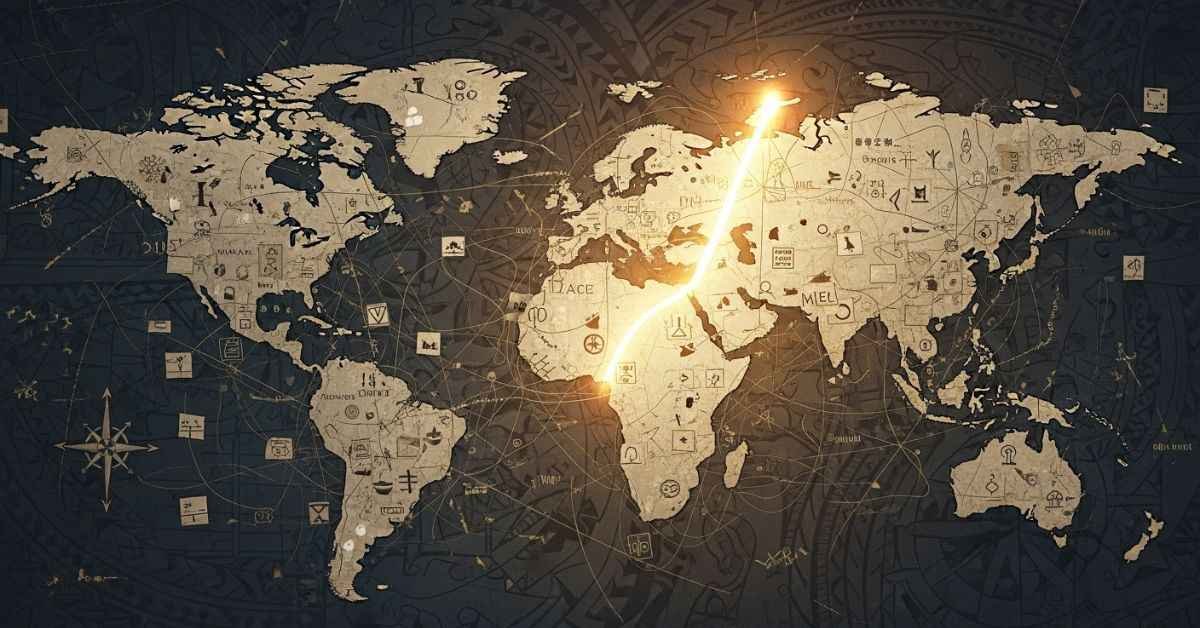
Falotani is a word that has many meanings. Some people use it to talk about old ways of sailing across the ocean. Long ago, people learned to travel far without maps or tools. They watched the stars, waves, and birds to know where to go. This is called Polynesian wayfinding. It is a clever way to move safely from one island to another.
Falotani is also used today in a different way. Some people use it to describe new methods to organize work or solve problems. It can be like a set of tools to make tasks easier. Learning about falotani helps people avoid confusion and wrong information. You can understand the real history and the modern uses without falling for mistakes.
By knowing the truth about falotani, you can appreciate traditional navigation skills and also explore new ideas safely. This guide will explain both sides and show how to use the knowledge in a smart way.
What Is Falotani and Why Do People Search For It
Falotani is not just one thing. It can mean an old way to sail the ocean or a new way to organize tasks. This makes it tricky to understand. People may get confused because different websites show different ideas. Some say it is only about ocean travel. Others say it is about modern methods for work.
In the old days, falotani was used for non-instrument navigation. Sailors did not have compasses. They learned to read the stars, waves, and wind. They paid close attention to the environment. This helped them reach islands far away. Learning these skills also required strong environmental literacy. People needed to know how birds, clouds, and sea creatures behave.
Falotani also includes cultural wayfinding skills. These are lessons passed from older sailors to younger ones. They show how to remember routes, signals, and patterns in nature.
The confusion happens because Google shows both old and new uses of falotani. Some pages mix the two meanings without warning. Others exaggerate what falotani can do. That is why some people may follow wrong advice or believe misleading claims.
By understanding both the historical and modern sides, you can see what falotani really is. You also learn how to use it safely and avoid mistakes. This makes learning about falotani clear, practical, and useful.
The Two Main Meanings of Falotani People Should Know
Falotani is a word with two main meanings. Knowing both helps people understand it clearly and safely.
Meaning One: Falotani as a traditional island navigation idea
A long time ago, people in the Pacific Islands needed ways to travel across huge oceans. They used indigenous navigation systems to move from island to island. Sailors learned how to read the stars, waves, and birds. They also followed wind patterns and ocean currents. This was called Pacific voyaging. These sailors had amazing memory and observation skills. They practiced for years to learn ancient navigation strategies. Falotani in this sense means the smart, natural ways people found their way on water without maps or instruments.
Meaning Two: Falotani used as a modern productivity concept
Today, falotani can also mean a tool or method to organize work. It is not about sailing. Instead, it helps people plan tasks, solve problems, and stay organized. Modern falotani is flexible. You can choose which steps to use. It adapts to different situations. Some offices, teams, and even freelancers use falotani to make work easier and faster. Learning both the old and new meanings shows how the word can guide people in very different ways.
By knowing these two meanings, you avoid confusion and can decide whether falotani is about the sea or about modern organization. Both ideas are useful but in very different ways.
Falotani History Connected With Pacific Island Navigation
Falotani has a rich history tied to the Pacific Islands. People first needed ways to travel and explore the islands. This is part of Pacific migration history. Long ago, families moved from one island to another to find food, safety, or new homes.
The travelers used clever methods for Pacific Island exploration. They studied stars, waves, birds, and even cloud patterns to know where to go. These skills took many years to learn. Knowledge was passed from older sailors to younger ones through stories and practice.
Canoes were very important in this history. The Pacific canoe culture taught people how to balance, steer, and sense changes in the ocean. Canoes were strong but lightweight. Sailors could travel for weeks using only what they knew about nature.
Falotani grew from these lessons. It is not just a word but a connection to the wisdom of ancestors. This history shows how humans can live with nature and travel safely. Learning falotani today helps keep this cultural knowledge alive. It also teaches patience, memory, and careful observation, just like the sailors long ago.
How Falotani Was Used for Travel in the Ocean
Long ago, people in the Pacific Islands had to travel across wide oceans. They could not use maps or compasses. Instead, they learned celestial wayfinding. This means they watched the stars to find directions. Certain stars showed which way was east, west, north, or south. Sailors remembered star positions for different seasons. This was part of clever star compass techniques that helped them plan long journeys.
They also studied the waves. Ocean swell reading allowed sailors to know where islands might be. Waves often bounced off distant land, and skilled travelers could feel subtle changes while moving in their canoes. By combining star knowledge and wave patterns, sailors could travel far and still reach the right islands safely.
Travelers also learned from the sky, birds, and clouds. They understood how nature gave clues for navigation. Learning falotani took many years. Young sailors practiced with older guides, memorizing patterns and testing their skills on the ocean.
Table: Common Natural Clues Used in Old Ocean Travel
| Clue Type | What Travelers Looked For | Why It Helped |
|---|---|---|
| Stars | Position and movement of stars | To know direction at night |
| Ocean Waves | Swell direction and wave patterns | To sense nearby islands or currents |
| Birds | Flight paths of seabirds | To find land since birds return daily |
| Clouds | Cloud shapes and formations above islands | To locate land from far away |
| Sea Creatures | Fish, plankton, or wave shadows | To understand ocean currents |
Using these clues together allowed sailors to travel safely and confidently. Falotani made long ocean trips possible without modern tools.
Skills That Helped Navigators Understand Their Surroundings
Navigators needed sharp skills to understand the ocean and sky. One skill was star path tracking. They memorized paths of stars as they moved across the night sky. This helped them keep a steady direction even during long voyages.
They also watched animals and nature closely. Ecological indicators at sea included birds, fish, and even sea plants. Observing these signs told them where islands or shallow waters were.
Sailors practiced environmental observation skills every day. They learned to notice small changes in wind, waves, or clouds. Even the smell of the air sometimes gave clues about land nearby. By combining these skills, travelers made decisions that kept them safe.
These lessons took patience, memory, and repeated practice. Learning how to watch nature carefully is still useful today. It teaches people to pay attention, remember details, and use what the world shows them.
Falotani and Modern Productivity
Falotani is not only about sailing. Today, some people use the same word for work and personal planning. Over time, the meaning shifted from the ocean to the office or home. Modern falotani helps people organize tasks, plan projects, and solve problems more easily.
Using falotani in work is like creating a map in your mind. Mental mapping techniques help people see steps and ideas clearly. You can picture your work in small parts and connect them, like islands in a journey. This makes tasks easier to follow and remember.
Another helpful skill is spatial memory development. People practice remembering positions of items, steps, or tasks. This memory skill lets you manage more without getting lost.
Misunderstandings appear online because some websites mix the old sea meaning with the modern productivity idea. This can make it confusing for beginners. Learning both meanings helps you use falotani safely and smartly.
Modern falotani is flexible. You can choose which methods to use and adapt them to your needs. It helps you stay organized without forcing strict rules.
Falotani Safe to Follow or Use
Falotani can be safe if you understand it well. For the old ocean use, joining guided programs or learning from experts in navigation revival movements is important. These programs teach correct techniques for star watching, wave reading, and observing nature. Following this guidance helps avoid mistakes while learning traditional navigation.
Modern falotani for work is also safe when used wisely. It is just a way to plan, organize, and manage tasks. Problems happen if someone tries to follow wrong advice from unreliable websites. Misleading claims can confuse people about what falotani really does.
Learning falotani also supports cultural heritage revival. When you study traditional ways safely, you help keep old knowledge alive. This connects you with history and teaches valuable skills like patience, memory, and careful observation.
People may be misled if they assume falotani is magic or can solve everything. It does not replace learning, planning, or practice. Understanding the truth about falotani—both old and new—keeps you safe and helps you use it effectively in everyday life.
Real Concerns and Problems Linked With Falotani Searches Online
Looking for falotani online can be tricky. Some websites say they teach it, but their courses are fake. These fake coaching programs may ask for money but do not give real lessons.
Some websites use AI to make content, but the information is wrong. Other pages share false history about falotani. Some even give the wrong technical meanings. This can confuse the old ocean navigation meaning and the new work meaning.
To learn safely, use lessons that teach ocean wave patterns, cloud pattern interpretation, and natural navigation clues. These are real ways sailors used to travel safely.
Being careful online keeps you safe from fake programs, wrong history, and confusing advice.
Falotani Pros and Cons – Simple Breakdown for Beginners
Word count: 230
LSI keywords used: traditional ecological knowledge, ocean literacy education
Falotani has good points and some limits. Knowing both helps beginners understand it better.
Pros:
- Helps you learn patience and memory
- Teaches you to watch and understand nature
- Connects to traditional ecological knowledge
- Helps you plan and organize tasks
Cons:
- Takes time to learn well
- Wrong information online can confuse you
- Some courses teach wrong methods
- It is not a magic shortcut
Table: Pros and Cons of Understanding Falotani
| Category | Pros | Cons |
|---|---|---|
| Traditional Knowledge | Teaches ocean literacy education, watching nature | Learning takes time, need patience |
| Modern Productivity | Helps plan and organize work | Wrong advice online can confuse you |
Falotani can help with both old navigation and modern work. You just need to learn it carefully.
How People Can Use Falotani Safely Without Getting Misled
Falotani is safe if you learn the right way. For ocean skills, learn from an expert. Apprenticeship-based navigation means you watch a teacher, try it yourself, and practice many times.
Watching animals helps too. Bird-based navigation shows where islands are. Birds usually fly back to land every day, so you can follow them.
For modern work, try small steps first. Do not follow random advice online. Use falotani to plan, organize, and remember your tasks.
By learning slowly and following real examples, you can use falotani safely. It will help you understand history and use the skills in daily life.
Falotani in Today’s World – From Ocean Travel to Study and Daily Life
Falotani is not just about sailing anymore. Today, it can help people learn, work, and plan their day.
Long ago, sailors used oceanic voyaging methods to find islands far away. They watched stars, waves, and birds. Today, we can use the same idea to organize tasks or remember steps for a project.
Teachers and students can study falotani to learn about history and nature. It also helps us understand how people moved across islands long ago using Pacific settlement routes.
Even in daily life, falotani can make planning easier. You can break big tasks into small steps, like mapping islands in the ocean. Learning it this way shows both old wisdom and new ideas in one simple way.
Who Should Learn About Falotani and Who Should Not
Falotani is useful, but not everyone should learn it in the same way.
People who love history, nature, or sailing can enjoy it. Learning about indigenous maritime culture helps them understand old ways of living and traveling safely. It also teaches patience, memory, and careful observation.
Students, teachers, or office workers can use the modern meaning to plan and organize tasks. It is safe when you follow real advice and proper guidance.
Some people should not try falotani alone on the ocean. Only experts or guides, like Micronesian master navigators, should teach long trips. Trying it alone without practice can be dangerous.
By knowing who should learn, everyone can stay safe and get the most out of falotani.
Expert Tips to Avoid Scams or False Claims About Falotani
Some websites or courses about falotani are not real. They may ask for money but give wrong information.
To stay safe, learn from teachers who show navigation without instruments the right way. They teach how to watch stars, waves, clouds, and birds carefully.
Check if lessons include real skills from history, like reading climate adaptation knowledge. This shows how sailors understood storms, wind, and currents long ago.
Do not follow random websites that mix the old and new meanings. Always practice step by step and ask experts when unsure.
Following these tips keeps you safe, and you can learn falotani properly. You will enjoy learning both old ocean skills and new planning methods.
You May Also Like: Gaming Vivid2201 Patches Full Guide for 2025
Final Thoughts on Falotani
Falotani is a mix of old and new ideas. Long ago, it helped sailors travel across the ocean safely using stars, waves, birds, and clouds. Today, it can also guide people to plan tasks and solve problems at home or work.
Learning falotani preserves oral tradition knowledge and teaches lessons from seafaring traditions. It shows how humans can live with nature and stay organized.
By understanding both the old navigation and modern ways, falotani becomes a useful skill for everyone. It is not magic, but it helps you think carefully, remember steps, and plan well.
FAQs About Falotani
What does falotani really mean?
Falotani has two main meanings. Long ago, it was a clever way for sailors to travel across the ocean without maps or tools. Today, it can also mean a method to plan tasks, organize work, or solve problems.
Is falotani a real navigation method?
Yes. In history, sailors used falotani to find islands safely. They watched stars, waves, birds, and clouds to know where to go. These skills are part of ancient navigation strategies.
Why do websites explain falotani differently?
Some websites mix old ocean travel with modern productivity ideas. Others give wrong information. Trusted sources like the Polynesian voyaging society provide correct lessons about traditional navigation.
Is learning falotani expensive?
Learning traditional falotani may cost money if you join guided programs or workshops. Modern falotani for work or planning can be practiced for free at school or home using simple steps.
Can kids understand falotani?
Yes. Kids can learn simple skills like reading clouds, waves, or watching birds. Teachers can use fun stories and activities to explain Pacific exploration history and old sailing skills.
Is falotani used in schools?
Some schools and programs teach falotani to show traditional navigation techniques. Students learn about ocean travel, teamwork, and history in an easy, hands-on way.
How can modern falotani help in daily life?
You can use modern falotani to plan your day, organize steps, or remember tasks. It works like mapping islands in the ocean, turning big jobs into smaller, easy steps.