

Many people hear the name OnThisVerySpot Fibertel and feel unsure about what it really means. Some think it is a map tool. Others believe it is an internet service. Both ideas sound close, so the name can confuse readers who are trying to learn something simple. When a name mixes two different worlds, it becomes easy to misunderstand it.
The first part of the name sounds like a site that tells stories about a place. It feels like something you would open when you want to explore local tales or see where an event happened. The second part sounds like a network company. This is why many readers search for the term. They want to know whether it is about a place, a service, or something else entirely.
In this guide, you will learn what the name points to and how these ideas become mixed across the internet. You will understand why the term appears on many random blogs and why these pages sometimes share unclear information. The goal is to make everything simple so you know what the term covers and what it does not.
This introduction also gives a small safety note. Some websites might use similar words to make people click faster. This can lead to confusion, so the reader needs to understand the idea before trusting any page. With this guide, you will see things clearly and feel confident when you see the name again.
What OnThisVerySpot Fibertel Actually Means
The name OnThisVerySpot Fibertel brings together two ideas that do not fully match, which is why many people search for a clear answer. The first idea is about a platform that connects stories or facts to a place. The second idea is about a company that provides fast internet. When you put both words together, the meaning becomes blurry, so blogs often guess without giving solid information.
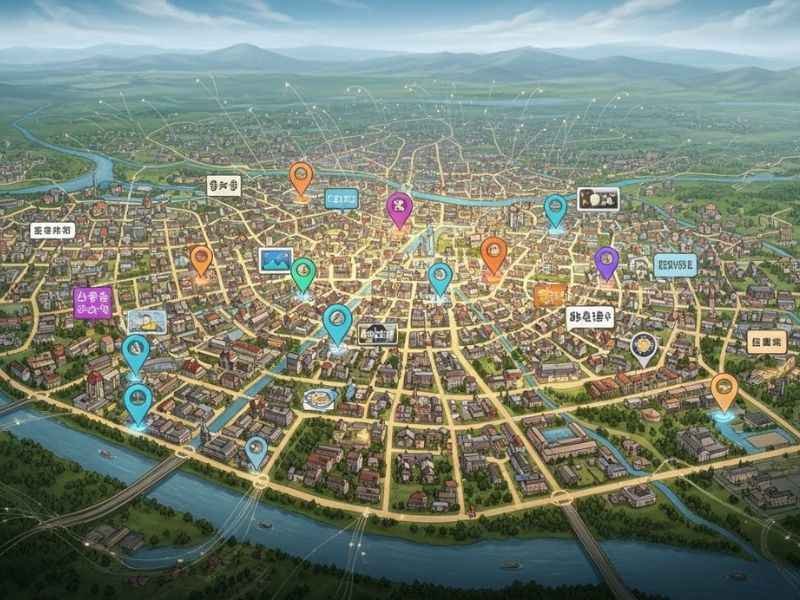
To understand this better, think of the first part as a tool that links a story to a spot on Earth. Many apps and sites use this approach. They place small pieces of information on maps and let people explore them. This method works well for history, travel, and small local stories. It fits with things like geo coded digital content and place linked information platform systems.
The second idea in the name points to a fiber internet company. These companies send data through thin glass lines, which helps people watch videos, load pages, and study online without slow delays. The word onthisveryspot fibertel is used by different businesses in different countries, so some readers believe the term refers to a network provider.
Because both ideas appear in similar searches, many blogs mix them. Some pages talk about maps, while others talk about internet speed. A few sites even blend both ideas to make the term look bigger than it is. This guide separates these two ideas so you know what belongs to mapping and what belongs to fiber internet. When the ideas stand apart, the meaning becomes easy to follow.
How Onthisveryspot Fibertel Place Based Digital Platforms Work
Place based digital systems help people learn about locations in a fun and simple way. These platforms use small codes or digital markers that match a real place. When you tap or scan them on a phone, you can read short notes, see photos, or watch videos that tell a story about that spot. Kids often enjoy this because it feels like a tiny treasure hunt.
Each code is tied to a point on a map. The platform stores the information and uses tools to show the story at the right spot. This is known as location based storytelling. It helps people understand the world around them. Some sites share old history. Some share culture. Others share tiny moments that matter to local people. All of this becomes easy to see when you open the digital map.
Users can scan the codes in many places. Some codes appear on signs. Some are placed inside museums. Some show up on walking tours or outdoor parks. When users scan them, they get the story right away. This makes learning more fun because the map feels alive.
These systems are popular because they help people explore in their own way. They also work well for teachers, travelers, and kids who enjoy simple tools. A platform like this also uses geo coded digital content so the story always loads in the correct location. This keeps the map clean, helpful, and safe for curious readers.
How Onthisveryspot Fibertel Fits Into the Idea of Digital Mapping
A fiber internet company helps people connect to the web through thin glass lines. These lines send light signals that move very fast. This speed helps pages open quickly and makes it easy to watch videos or explore maps. A fiber optic internet provider builds and maintains these lines, which lets families and businesses enjoy smooth online service.
Digital maps need strong internet to load images, stories, and videos without delay. When someone walks through a city and scans a point on a map, they need the story to load right away. A high speed broadband service helps make this happen. It keeps the map running well and supports all the tiny details inside it.

Old internet services often slowed down when many people were online. Fiber internet is different. It stays steady even when many users connect at the same time. This fiber internet reliability helps digital mapping tools stay clear, quick, and easy to use.
This is why some blogs place onthisveryspot fibertel near mapping tools. They see fiber internet helping maps load fast, so they assume both ideas match. In truth, one idea belongs to networks and the other belongs to place linked information. They only meet because strong internet makes map tools work better.
Fun Things Users Expect from Map and History Tools
Users often imagine map tools as fun and playful. They picture small challenges like street view guessing games. In these games, players see a random part of a street or town and try to guess where it is. It makes exploring places exciting.
Browser-based map quizzes are also popular. You click through questions, and the map shows hints as you answer. This helps readers feel like they are on a mini adventure without leaving home. Region-based challenges can test knowledge about a city, park, or neighborhood. It feels like a game and a learning experience at the same time.
Some tools even offer map-driven adventure games. Players follow points on a map, scan codes, and unlock stories or videos. These games mix digital heritage exploration with fun movement. Kids and adults both enjoy it because it turns simple walking or browsing into an interactive story.
Educational Value for Students and Travelers
Map and history tools can teach geography and local culture in a playful way. Students can explore towns, streets, and landmarks digitally. Immersive geography experiences let them see a place on a map and learn about its history at the same time.
These tools help build geography skills. Kids learn to read maps, locate places, and connect information to the real world. Local heritage digital mapping also shows stories, photos, or old drawings about historical buildings. This makes learning about history fun and easy.
User-generated location stories add more value. People can share small facts about their town or favorite park. Students or travelers can read these notes while exploring the same spot. It is like combining homework, field trips, and storytelling into one simple app.
Problems and Limitations People Should Know
Not all map tools work perfectly. Some have data accuracy issues. A story on the map may not match the real place, which can confuse learners. Poor location signals can also make the map point to the wrong spot.
Sometimes users add wrong stories. A photo might be outdated or a fact might be false. Slow maps can frustrate users if the internet is weak. GPS-based information can also raise privacy concerns. If the app tracks location without clear reasons, it may feel unsafe.
Understanding these limits helps users stay careful. A good tool explains how data is collected and shows what is verified. This keeps the experience safer and more enjoyable.
How to Stay Safe When Using Any Map Based Story Platform
Safety is simple if you follow a few steps. Always download apps from trusted stores. Avoid unknown websites or random links. These places may contain fake apps or harmful files.
Do not share private data like your address or personal info. Keep location access limited. Only let apps use it when needed. Check if the page or app shows proper contact details, reviews, or official certificates. Safe platforms often explain why they collect information.
By following these steps, users can enjoy learning and exploring without worry. A careful approach makes digital heritage exploration fun and secure.
Is OnThisVerySpot Fibertel a Real Platform or Just a Trend
The name OnThisVerySpot Fibertel appears on many blogs, but it is not always a real platform. Some pages discuss it as if it exists, while others mix facts about maps and fiber internet. The term has become a trend because it combines two interesting ideas.
Some blogs write about local stories and fast connections together, but there may be no actual platform linking them. Readers should focus on verified apps or websites with clear information. When a real tool is available, it explains what it does and how it works.
Understanding the difference between trends and real platforms keeps users safe. Trust should only be given to apps that provide clear guides, user feedback, and safe downloads. This prevents confusion and misuse of unfamiliar names.
You May Also Like: Cbsetak org: Truth, Risks, and Safe Alternatives Explained
Final Thoughts on OnThisVerySpot Fibertel
OnThisVerySpot Fibertel mixes fun ideas about maps and fast internet. Using such platforms can be educational and playful if the tools are real and safe. They bring value by helping users explore places, learn history, and play games in one app.
Simple safety is important. Check app stores, reviews, and location permissions. Look for clear instructions and verified stories. In the future, updates may improve features, but users should always keep safety in mind.
This way, readers can enjoy digital storytelling while staying secure and learning new things.
Frequently Asked Questions About OnThisVerySpot Fibertel
What is OnThisVerySpot Fibertel in simple words?
OnThisVerySpot Fibertel is a combination of two ideas: a platform that links stories to real locations and a reference to fast internet services. While some blogs mix the two, the term mostly appears online as a discussion of local storytelling and digital connectivity.
Is it safe to use location-based story apps?
Yes, location-based apps are safe if downloaded from trusted stores. Limit location permissions, read app instructions carefully, and ensure content is verified. Safe apps often include geo-coded digital content and educational features.
Can someone fake a map code or location story?
Yes, fake codes or false stories can appear. Some websites or apps may display misleading content. Always use verified apps that provide secure scanning methods and clearly explain how the data is collected.
Do I need a fast fiber connection to use map-based platforms?
A fast internet connection helps load maps, images, and videos quickly. Fiber internet or high-speed broadband makes interactive maps smooth, but normal broadband or mobile data can work too, although loading may be slower.
How do I avoid scams when using map-based story tools?
- Download apps only from official stores.
- Check reviews and platform credibility.
- Do not share personal or sensitive data.
- Avoid apps requesting unnecessary permissions like constant GPS access.
What type of content can I see on these platforms?
These apps usually provide local history, cultural stories, old photos, or short user-generated notes. The content is often linked to specific locations, providing immersive digital heritage exploration.
Are these tools helpful for learning?
Yes, they are excellent for students and travelers. Users can improve geography skills, explore local heritage digitally, and enjoy interactive storytelling. Tools like map quizzes and region-based challenges make learning fun.
Can map-based platforms include games and challenges?
Yes, many platforms integrate games like street view guessing, map quizzes, or adventure challenges. These features combine fun, learning, and location-based exploration, keeping users engaged.
Disclaimer
This article is for information only. We do not guarantee that all details about OnThisVerySpot Fibertel are completely accurate. Always verify apps, websites, or services yourself before using them. We are not responsible for any problems or losses from using the platforms mentioned.